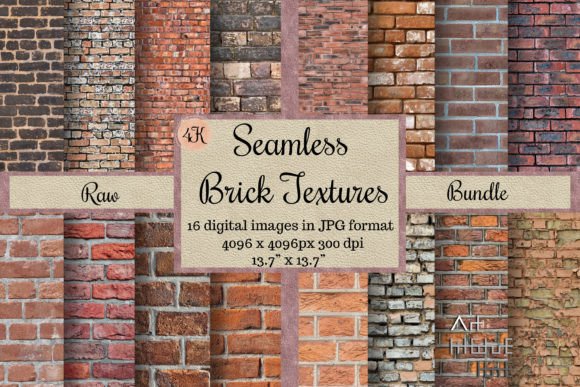
Seamless Raw Brick Textures and Rustic Wall Design Essentials
Integrating authentic industrial aesthetics into digital and physical design projects requires more than just a quick image search. Whether you are an architect visualizing a loft renovation, a graphic designer crafting a vintage-inspired brand identity, or a hobbyist creating custom scrapbook pages, the foundation of your work lies in the quality of your assets. Seamless raw brick textures offer a distinct advantage over standard stock photography by providing repeatable, high-fidelity surfaces that maintain visual consistency across any scale. However, many creators overlook critical technical specifications, leading to pixelated prints or visible tiling seams that break immersion.
Understanding the nuances of rustic wall assets can significantly elevate your output. This guide addresses common pitfalls in selecting and applying these textures, ensuring you make informed decisions that save time and enhance professional credibility.
The Hidden Cost of Low-Resolution Assets
One of the most frequent mistakes designers make is underestimating the resolution required for their specific medium. A texture that looks crisp on a computer monitor may appear blurry and amateurish when printed on fabric or large-format paper. Many free or low-cost resources provide images at 72 DPI (dots per inch), which is suitable only for web use. When these files are scaled up for print, the lack of data results in significant quality loss.
To avoid this, always verify the DPI before downloading. The 16 seamless brick textures in this bundle are rendered at 300 DPI, the industry standard for high-quality printing. Each image measures 13.7 x 13.7 inches (35 x 35 cm) or 4096 x 4096 pixels. This high resolution ensures that every mortar line, crack, and color variation remains sharp, whether you are designing a business card or a large wall mural. Using lower-resolution alternatives often forces designers to spend hours attempting to sharpen images in post-production, a process that rarely yields professional results and consumes valuable project time.
Why "Seamless" Matters More Than You Think
A common misconception is that any brick photo can be tiled effectively. In reality, standard photographs have hard edges that create obvious grid patterns when repeated. This "tiling artifact" distracts the viewer and ruins the illusion of a continuous surface. For backgrounds, website skins, or 3D modeling, this discontinuity is unacceptable.
Seamless textures are specifically engineered so that the left edge matches the right, and the top matches the bottom. This allows for infinite repetition without visible breaks. When evaluating a rustic wall asset, check if the provider explicitly states that the file is seamless. If not, you will need to invest time in using offset filters and cloning tools to manually fix the edges—a skill that requires practice and patience. By choosing pre-seamed assets like those in this Raw Bundle, you eliminate this tedious step, allowing you to focus on creativity rather than technical correction.
Versatility Beyond Digital Screens
Many users restrict brick textures to digital backgrounds, missing out on their potential for physical products. With high-resolution, seamless files, the application possibilities expand dramatically. Here are practical ways to utilize these assets effectively:
- Fabric and Textile Design: Print on cotton or canvas for home decor items like pillowcases or table runners. The 300 DPI resolution ensures the brick pattern remains detailed even on textured fabrics.
- Stickers and Decals: Create realistic faux-brick stickers for interior decorating. The seamless nature allows you to cover large wall areas without worrying about mismatched patterns.
- 3D Modeling and Rendering: Apply these textures as diffuse maps in software like Blender or SketchUp. The high pixel count supports close-up camera angles without blurring.
- Scrapbooking and Paper Crafts: Use digital papers for printable journal cards or background layers in physical scrapbooks. The rustic aesthetic adds depth and character to personal memories.
Ignoring the physical potential of digital assets limits your return on investment. By verifying that your files are print-ready, you unlock multiple revenue streams or creative outlets from a single purchase.
Evaluating Quality: What to Check Before You Buy
Not all brick textures are created equal. Some suffer from poor lighting, unnatural color saturation, or repetitive patterns that look artificial. When selecting a seamless raw brick texture pack, consider the following criteria to ensure professional results:
- Lighting Consistency: Ensure the lighting in the texture is neutral or flat. Strong shadows or highlights can make it difficult to integrate the texture into your own designs, as they may conflict with your project's lighting scheme.
- Color Accuracy: Look for natural, muted tones typical of aged or raw brick. Over-saturated reds or oranges often look cartoonish. The rustic wall aesthetic thrives on subtlety and weathered authenticity.
- File Format: High-quality bundles typically provide JPEG or PNG formats. Ensure the files are not compressed to the point of introducing artifacts, which can degrade the texture's clarity.
- Variety: A single brick pattern can become monotonous. A bundle offering 16 unique variations allows you to mix and match, adding visual interest and realism to larger projects.
By prioritizing these factors, you avoid the frustration of purchasing assets that require extensive editing to look usable. The Instant Download feature of this bundle means you can assess the quality immediately and begin working without delay.
Practical Application Tips for Best Results
Even with high-quality assets, improper application can diminish their impact. Here are some best practices for integrating these textures into your workflow:
Adjust Opacity and Blending Modes: When using brick textures as backgrounds in graphic design, try lowering the opacity or using blending modes like "Multiply" or "Overlay." This allows text or other design elements to remain legible while retaining the rustic character of the brick.
Scale Appropriately: In 3D rendering or large-scale print, ensure the scale of the bricks matches the real-world perspective. Bricks that appear too large or too small can break the sense of realism. Use the known dimensions (35 x 35 cm) as a reference point for accurate scaling.
Combine with Other Elements: Pair brick textures with complementary materials like wood, metal, or concrete to create a cohesive industrial or rustic theme. The neutral tones of raw brick make it an excellent backdrop for bold typography or vibrant accent colors.
Conclusion: Investing in Professional Quality
Choosing the right assets is a fundamental step in any design process. By opting for high-quality, seamless raw brick textures, you ensure versatility, professionalism, and efficiency in your projects. Avoid the common pitfalls of low resolution and non-seamless edges by selecting resources that meet industry standards. With 16 diverse, 300 DPI textures at your disposal, you are equipped to handle a wide range of creative challenges, from digital web design to tangible print products. Make the smart choice today and transform your design workflow with assets that deliver consistent, superior results.