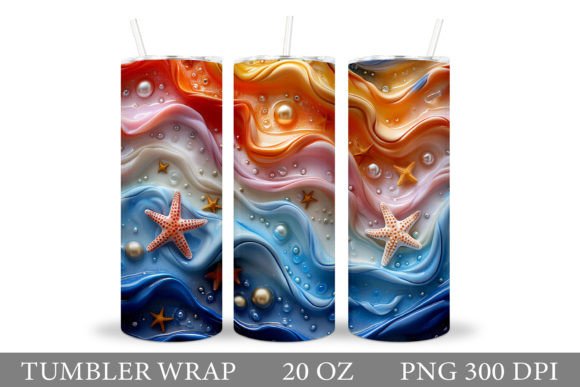
3D Starfish Tumbler Sublimation Guide
The ocean has a way of calming the mind, and bringing that serenity into daily routines is a growing trend in personalized drinkware. 3D Starfish Tumbler Sublimation offers a unique method to transform standard stainless steel tumblers into vibrant, tactile pieces of art. Unlike flat printing, this technique adds depth and texture, making the starfish design appear as though it is rising off the surface. For anyone interested in custom merchandise, understanding the nuances of this process is essential for achieving professional results.
This guide explores the practical applications of sea tumbler wrap sublimation, helping you determine if this specific design style aligns with your creative or business goals. Whether you are a hobbyist looking to make gifts or an entrepreneur scaling a product line, the approach to 3D sublimation varies significantly.
Understanding the 3D Effect in Sublimation
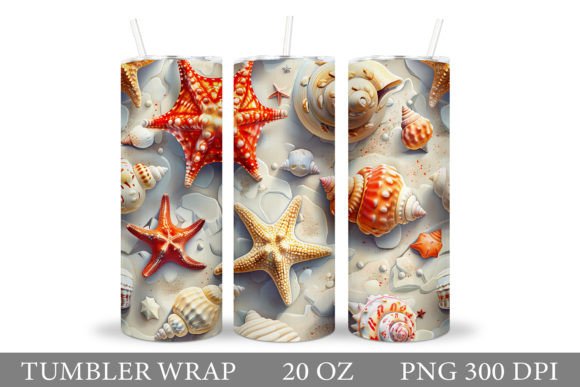
Traditional sublimation transfers ink into the polymer coating of a tumbler, resulting in a smooth, flat finish. 3D Starfish Tumbler Sublimation, however, utilizes specialized techniques or layered designs to create an illusion of depth. This is often achieved through high-resolution PNG files that incorporate shadows, highlights, and textured details. The result is a visual trick that mimics the feel of a raised surface, even though the tumbler itself remains smooth to the touch.
The core of this process relies on the quality of the source file. A typical design, such as the one found in a sea tumbler wrap collection, might include a PNG file sized at 9.3 x 8.2 inches at 300 DPI. This resolution is critical for 20oz tumblers, ensuring that the intricate details of the starfish—such as the rough texture of its skin and the subtle gradients of color—are not lost during the heat press process. Without high-density pixels, the "3D" effect can look pixelated or muddy, defeating the purpose of the design.
Perspectives for Creators and Small Business Owners
For entrepreneurs and small business owners, the primary concern is often commercial viability and differentiation. In a saturated market of plain sublimated tumblers, a 3D effect offers a competitive edge. It allows sellers to charge a premium for what appears to be a more complex, handcrafted item.
- Product Differentiation: A starfish design with depth stands out on social media feeds and e-commerce platforms. It catches the eye more effectively than flat graphics.
- Perceived Value: Customers often associate textured or detailed visuals with higher quality. This perception can justify higher price points.
- Inventory Efficiency: Using a pre-made, high-quality PNG file reduces the time spent on graphic design. Business owners can focus on production and marketing rather than creating assets from scratch.
However, professionals must also consider consistency. When using a specific file size like 9.3 x 8.2 inches, it is vital to ensure that every tumbler blank is compatible. Slight variations in tumbler diameter can cause seams to misalign, breaking the immersion of the 3D effect. Reliable suppliers and precise measurement tools are non-negotiable for maintaining brand reputation.
The Hobbyist and Beginner Experience
For beginners and hobbyists, the appeal of 3D Starfish Tumbler Sublimation lies in the accessibility of the craft. Sublimation is often one of the first customization methods learned because it requires relatively low startup costs compared to screen printing or embroidery. The learning curve, however, involves mastering heat, time, and pressure.
A beginner might evaluate this project based on ease of use. A ready-to-print PNG file simplifies the technical barrier. Instead of worrying about vector paths or color separation, the hobbyist can focus on the physical application. Key considerations for this group include:
- Equipment Setup: Ensuring the heat press or oven reaches the correct temperature uniformly. Hot spots can cause ghosting, which ruins the 3D illusion.
- Material Selection: Choosing tumblers with a high-quality polymer coating. Cheap blanks may not absorb the ink deeply enough to render the subtle shadows required for the 3D look.
- Error Management: Beginners should expect a trial-and-error phase. Testing the print on a single tumbler before committing to a batch helps identify issues with color vibrancy or alignment.
The satisfaction for a hobbyist often comes from the gift-giving aspect. A custom sea-themed tumbler makes for a thoughtful present for beach lovers, marine biologists, or friends who enjoy coastal decor. The personal touch of selecting a specific design adds emotional value that mass-produced items lack.
Educators and Content Creators
Educators and bloggers often look for projects that demonstrate specific skills or trends. Sea Tumbler Wrap Sublimation serves as an excellent case study for teaching digital design principles and physical manufacturing constraints. For a content creator, documenting the process of transforming a flat PNG into a curved, 3D-effect object provides engaging visual content.
From an educational standpoint, this topic covers several disciplines:
- Digital Art: Understanding how resolution (300 DPI) impacts physical output.
- Physics: Learning how heat transforms solid ink into gas and bonds it to polymer.
- Business Studies: Analyzing cost per unit versus retail price.
Bloggers might use this niche to discuss broader trends in home decor, such as the popularity of coastal grandmother aesthetics or ocean-inspired minimalism. By linking the technical aspects of sublimation to lifestyle trends, creators can reach a wider audience beyond just crafters.
Consumer Considerations and Quality Expectations
Consumers who purchase these tumblers are generally less concerned with the technical process and more focused on durability and aesthetics. They want a product that looks good and lasts long. When evaluating a 3D Starfish Tumbler, a consumer’s priorities include:
Visual Appeal: Does the starfish look realistic? Are the colors vibrant? The 3D effect should enhance the beauty of the design, not distract from it.
Durability: Will the design fade after washing? High-quality sublimation is dishwasher safe, but consumers need assurance that the intricate details won't peel or crack. Since the ink is infused into the coating rather than sitting on top, it is inherently durable, but the quality of the blank matters.
Functionality: Does the tumbler keep drinks cold or hot? The design should not compromise the insulation properties of the stainless steel. A beautiful tumbler that fails to maintain temperature will result in negative reviews.
Practical Steps for Success
Regardless of your role, achieving a successful 3D Starfish Tumbler Sublimation result requires attention to detail. Here are practical steps to ensure quality:
First, verify your file dimensions. For a 20oz tumbler, a 9.3 x 8.2 inch image is standard, but always measure your specific blank. Second, use high-quality sublimation paper and ink. Cheap supplies can lead to color shifting, where blues turn purple or whites appear yellow. Third, secure the wrap tightly. Any wrinkles or gaps between the paper and the tumbler will result in blurred lines, destroying the sharp edges needed for the 3D effect.
Finally, consider the environment. Humidity can affect sublimation paper. Store your materials in a dry place to prevent moisture from interfering with the ink transfer.
Is This Right for You?
Deciding whether to invest time in 3D Starfish Tumbler Design depends on your goals. If you are a business owner seeking a unique selling proposition, the visual impact of 3D effects can drive sales. If you are a beginner, it offers a manageable entry point into customization with high reward potential. For educators, it provides a tangible example of digital-to-physical production.
The key is to start with high-quality assets, such as a 300 DPI PNG, and practice consistent pressing techniques. By understanding the specific needs of your audience—whether they are buyers, students, or followers—you can tailor your approach to maximize the value of this creative medium. The ocean theme is timeless, and with the right execution, your tumblers can capture that enduring appeal.